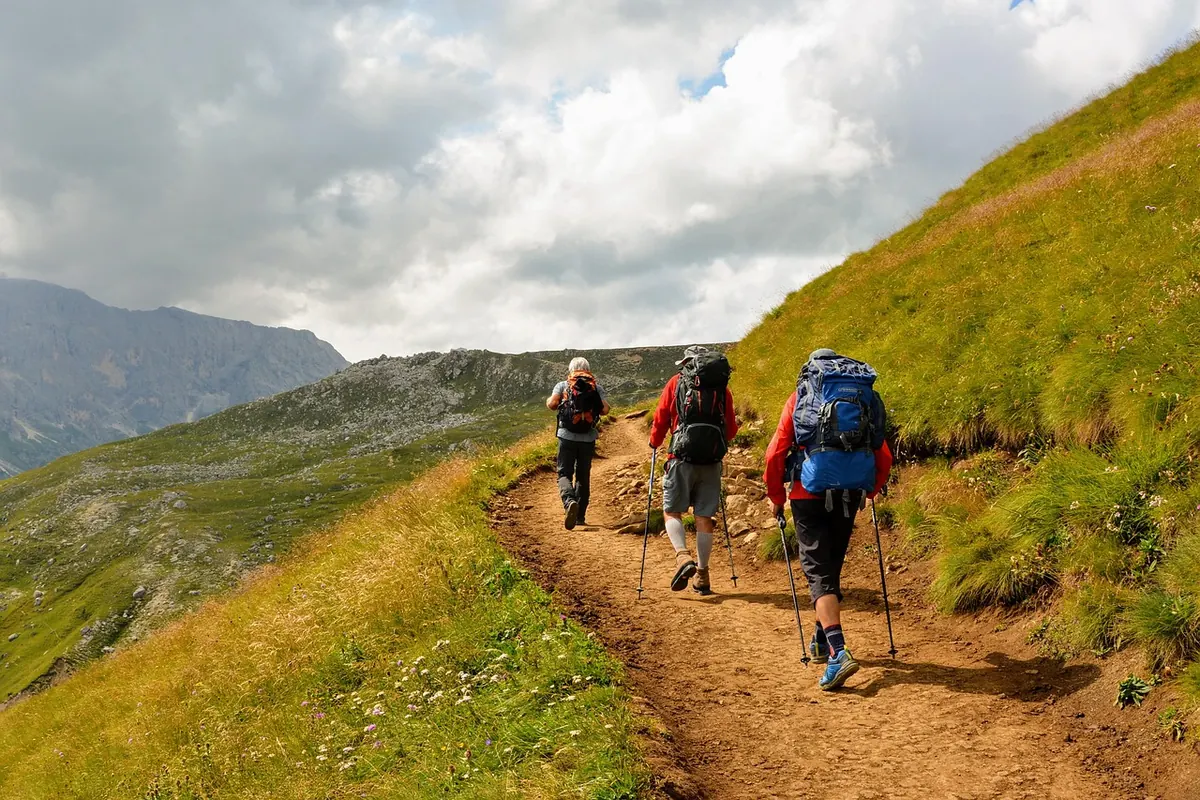
Walking between churches and monasteries in Eastern Europe is not quite the Camino and not quite a city break. One morning you are on a stony forest track in the Carpathians with wet feet; by late afternoon you are standing in the cool dark of a monastery church where shorts and a bare shoulder would be a problem. Your packing list has to hold both realities at once. What follows is the kit worth carrying for a two-week route between shrines — eighteen items that each earn their weight, plus the small habits that make the days easier.
Monasteries from Romania's painted exterior churches to the hilltop houses in Serbia and the shrines of southern Poland are working places of worship, not museums with a ticket desk. People arrive to pray, and the door rules reflect that. Shorts, vests, tight leggings and bare shoulders will earn you a disapproving look or a wrap handed to you at the entrance. At some women's monasteries you may be asked to cover your hair. A light scarf solves three problems at once: head covering, sun protection on a shadeless ridge, and warmth on a cold evening bus.
Cotton is the wrong foundation for this kind of walking. It stays damp after a climb and chills you at a hilltop shrine an hour later. Bring two quick-drying base layers — merino or a synthetic blend — and wash one each evening in the sink. A thin fleece or light down jacket handles cold mornings and unheated churches, and a packable waterproof shell covers the afternoon storms that arrive quickly in the mountains. Wide-brimmed hat, sunscreen, done.
One long-sleeved shirt in linen or a light technical fabric does more work than any other garment you own: sun protection at midday, warmth in the evening, and instant church-appropriate modesty over a t-shirt. Pair it with trousers that dry fast and a skirt or wrap for women who prefer one at stricter convents. Avoid anything that needs ironing. Nobody on a pilgrimage route has ever regretted leaving the ironing behind.
Eastern European pilgrim paths are varied and honest about it: asphalt lanes between villages, cobbles through old town centres, root-tangled forest tracks, wet stone steps up to a monastery gate. You want a shoe with a grippy sole and enough structure for uneven ground, and you want it broken in before you leave home. Buy new boots two weeks before a trip and you will spend the first three days managing blisters instead of looking at frescoes.
Bring a second, lighter pair — simple sandals or trainers — for evenings, shared bathrooms and the long monastery courtyards where you will be taking your shoes off. Socks matter more than people expect: three pairs of wool or synthetic socks, rotated at midday, prevent most of the trouble that a blister kit would otherwise treat. Carry tape, blister plasters and small scissors anyway. If you have diabetes, circulation problems or a healing wound on your foot, speak to a doctor before committing to long walking days rather than self-treating on the road.
Keep your passport on your body, a photograph of the photo page in your bag and another in your email. Check the validity requirements for every country on your route before booking — rules differ and change. Carry travel insurance details on paper as well as on your phone, and confirm in writing that your policy covers walking as an activity; a hiking exclusion is common and worth asking about directly rather than assuming.
If you are walking a recognised route, your pilgrim credential or a letter of introduction from your parish opens doors and sometimes dormitory beds. Cash still rules in rural areas: village shops, candle counters, monastery kiosks and small guesthouses may not take cards. Carry local currency in small notes, keep a backup card separate from your wallet, and withdraw before weekends when rural cash machines run dry.
A 20–25 litre pack with a rain cover is the sweet spot for days between stops. Into it go water — a litre minimum, more in summer — a headtorch for early starts and dim monastery interiors, a power bank, a plug adapter (most of the region uses the two-round-pin European plug, so check before you travel), a small first-aid pouch, tissues and hand gel, and something to sit on. A folded mat or a square of foam turns a stone wall into a lunch stop.
Lay everything out, then take a third of it away. Wear the shoes on two long walks at home, weigh the pack, and check the opening hours of the monasteries you plan to visit — many close at midday and during services, and photography inside a church is often not permitted while people are praying. Ask before you raise a camera, dress before you reach the gate rather than in the courtyard, and keep a little slack in your schedule for the day a monk invites you to stay for tea. Pack light, walk slowly, and the route will do the rest.