A monastery bell at five in the morning, a bowl of soup at midday, a bed in a whitewashed pilgrim room for roughly the price of a sandwich back home. That rhythm is still available across much of Eastern Europe, and it costs far less than most travellers assume. Romania, Bulgaria, Serbia, North Macedonia, Bosnia and Herzegovina, Albania, Slovakia and Poland all have working monasteries and shrines that receive visitors, and most charge nothing at the gate. What follows is a plain account of what a day costs, where the cheap beds are, and how to behave so the welcome keeps coming.
Prices across the region vary enough that one number is misleading. A bed in Albania is not a bed in Poland, and August is not February. The shape of the budget is consistent, though: shelter is cheap if you take the religious option, food is cheap if you eat what locals eat, and the sites themselves are usually free. Your money goes on transport and the occasional proper restaurant meal.
Here is a working frame for a single traveller outside the capital cities, in the cheaper countries of the region. Treat the figures as orientation rather than gospel, and check current prices for wherever you are heading.
Add it up and a lean day lands somewhere between €25 and €35, a comfortable one between €45 and €55. Poland, Slovakia and Croatia push those numbers up; Serbia, Bosnia, North Macedonia and Albania hold or drop them. Long-distance travel days cost more, so budget for buses and trains separately.
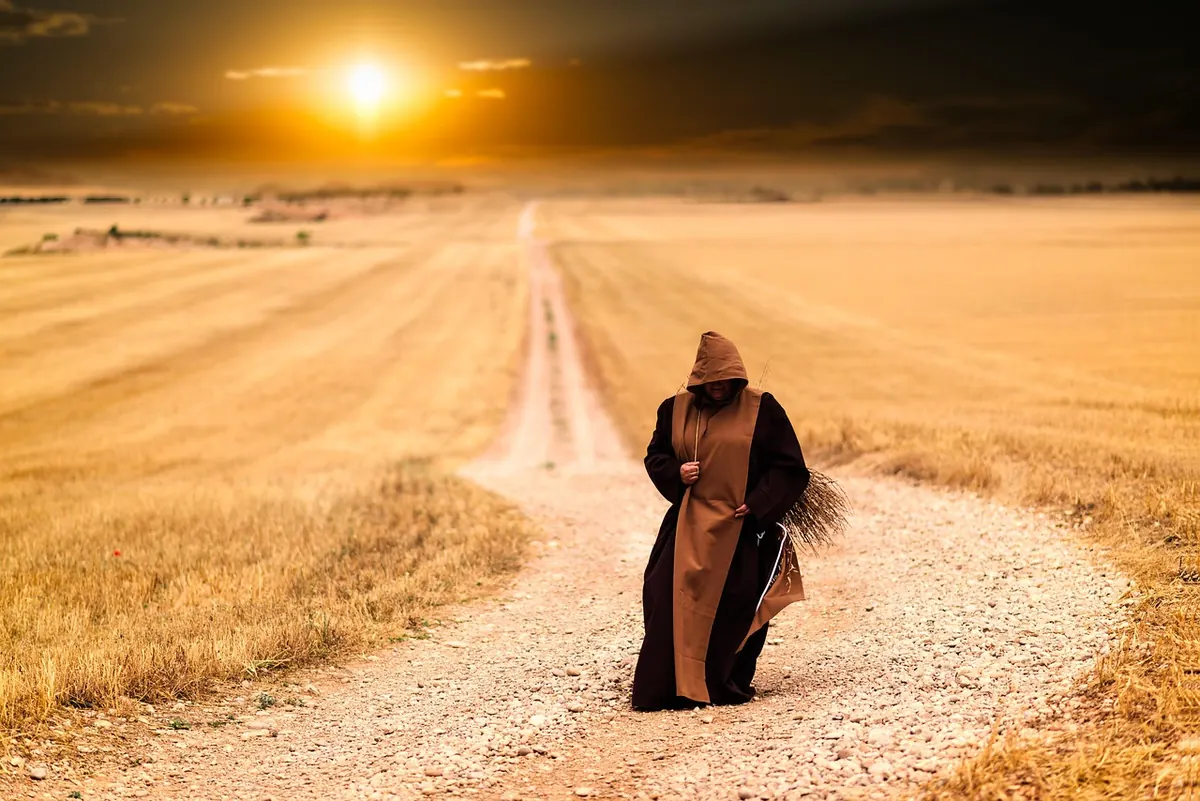
Many working monasteries keep a guesthouse, a gîte or a row of pilgrim rooms for people who arrive on foot or simply ask. You do not need to be Orthodox, or even especially religious. You do need to be respectful and reasonably quiet.
Rooms are plain: a bed, a table, sometimes a shared bathroom down the corridor. Some houses have a curfew and close the gates after evening prayer. Meals may be offered in the refectory, often simple and meat-free, and you may be asked to eat with the community. Payment is sometimes a fixed modest rate, sometimes a donation, sometimes nothing at all — in which case you leave more than you would have paid for a hostel.
Write ahead in English if the monastery has an email address, or ask at the church shop when you arrive. A short, direct request works best: who you are, how many nights, whether a room is free. In rural areas you may need a phrasebook or a translation app. Large, well-known houses such as Rila in Bulgaria, Putna and Neamț in Romania, or Studenica and Žiča in Serbia are used to visitors; smaller ones will appreciate a day's notice.
Between monasteries, use hostels and small private guesthouses, which in this region are usually family-run and often cheaper than their Western equivalents. A few habits keep costs down:
The single best money-saving habit in Eastern Europe is to eat your main meal at lunch, when restaurants serve a fixed, cut-price menu. In Romania it is the meniul zilei; elsewhere you will see a chalkboard outside with a soup-plus-main combination that costs a fraction of the evening à la carte price.
Bakeries fill the gaps. A cheese pastry, a slice of burek, a banitsa still warm from the oven — these cost a couple of euros and are often better than anything on a tourist menu. Markets sell bread, cheese, tomatoes and fruit for a picnic at a shrine or on a hillside. Supermarkets are everywhere except the smallest villages, and hostel kitchens are usually usable.
Tap water is drinkable in most of the region; carry a bottle and refill it. Monastery refectories sometimes offer food to pilgrims at no charge, especially on feast days — accept politely and leave a donation.
Almost all active Orthodox monasteries and parish churches in the region are free to enter. What costs money is parking, a museum wing, an audioguide, or a candle you choose to buy. Some Catholic sites in Poland and Slovakia charge for a specific exhibition but not for the church itself. Ask before you assume a fee.
Etiquette matters more than money here. Dress modestly — shoulders and knees covered, and in many Orthodox monasteries women wear a headscarf, usually available at the door. Speak softly, keep phone calls outside, and never photograph monks, nuns or worshippers without asking. During a service, stand near the back and follow what others do rather than moving around. A small note in the donation box is always appropriate, even when entry is free.
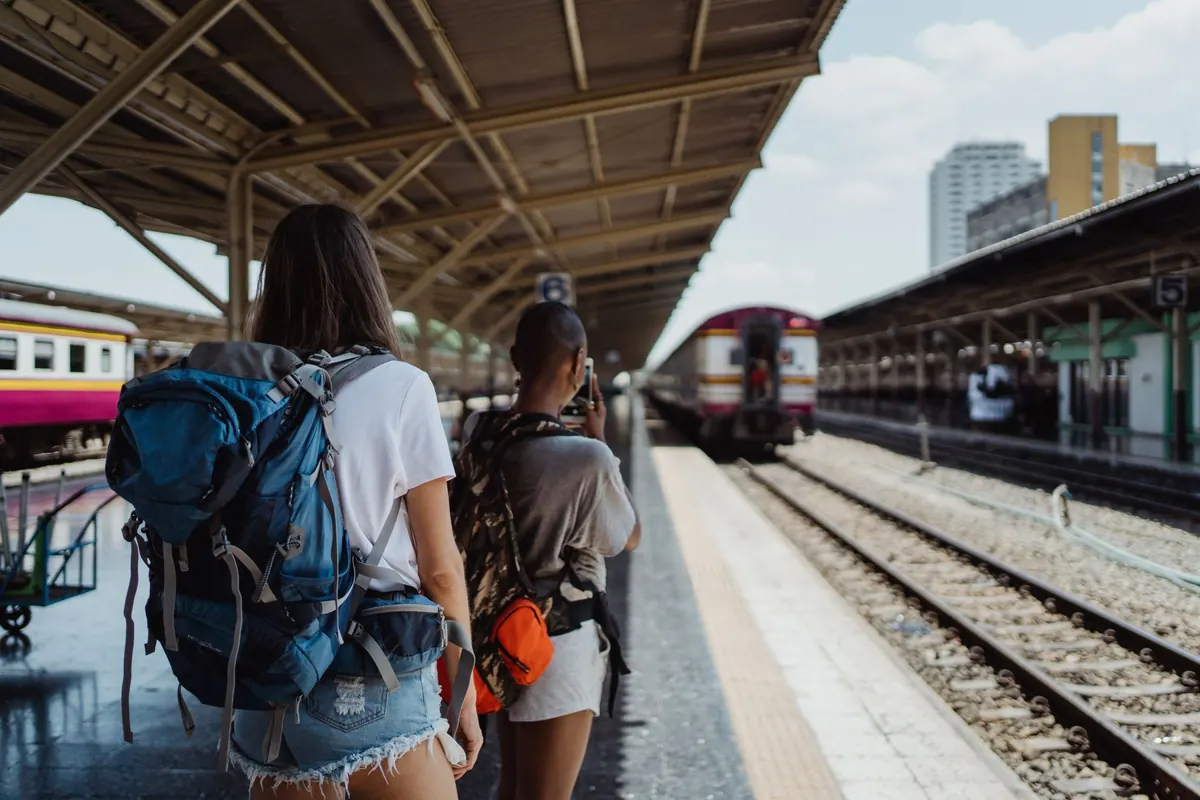
Buses are the workhorse of the region: frequent, cheap, and usually the only way into small pilgrimage villages. Buy tickets at the counter where possible, arrive early, and keep your bag with you. Trains are slower and sometimes cheaper, and the scenery is worth the extra hours. Shared long-distance cars and ride-sharing apps fill gaps on routes with no bus, but use the same judgement you would anywhere.
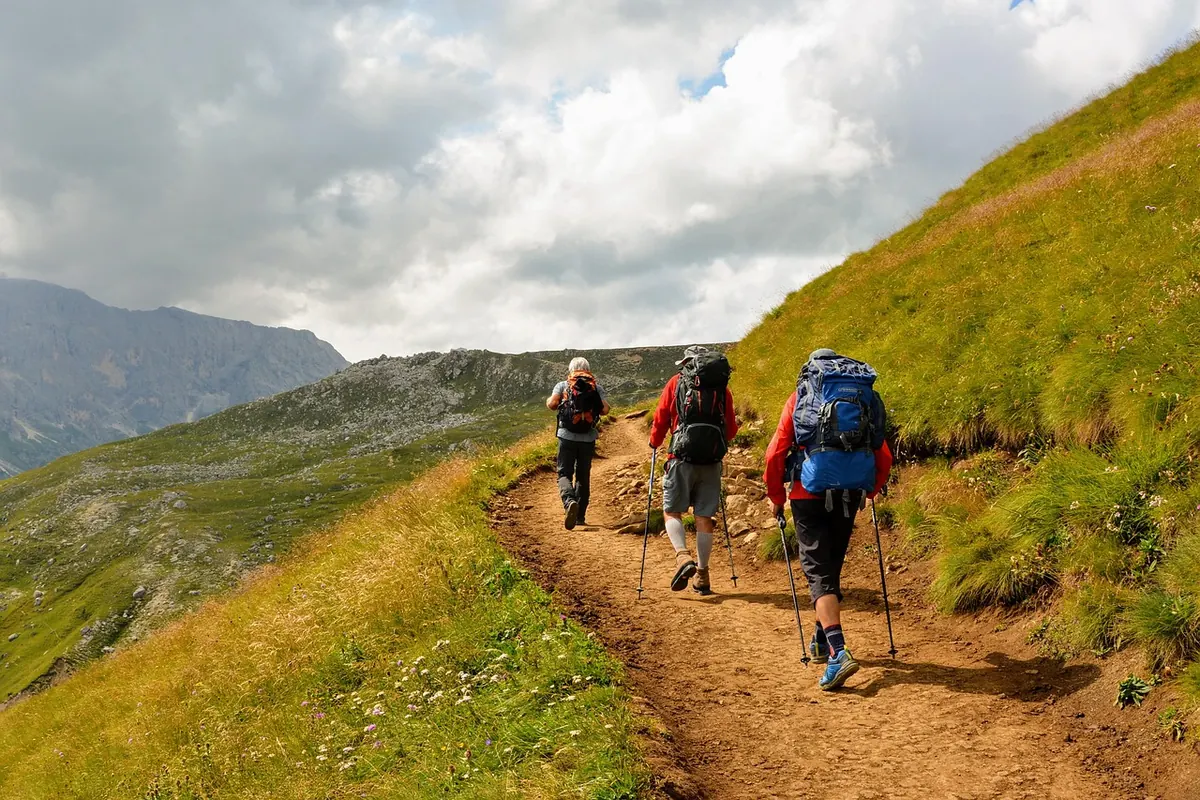
Walking is the real budget tool. Several marked pilgrim routes cross the region, and a day on foot removes both the transport fare and any temptation to spend. Carry water, a hat, and a printed map in areas with weak signal.
Pack light, bring a scarf and long trousers for church visits, a refillable bottle, and a little cash in local currency. Learn five words of the local language — please, thank you, hello, and the word for a pilgrim room. Confirm monastery guesthouse arrangements a day ahead where you can, and keep a buffer of a few days in your budget for the occasions when someone refuses payment and you want to give generously anyway. Check your bank's card and currency fees before you travel; that is general advice, not financial advice, and a quick call to your bank saves surprises.
Do all that and the numbers stay small. The trip, meanwhile, tends to be the part you remember.
Photo: Ketut Subiyanto / Pexels