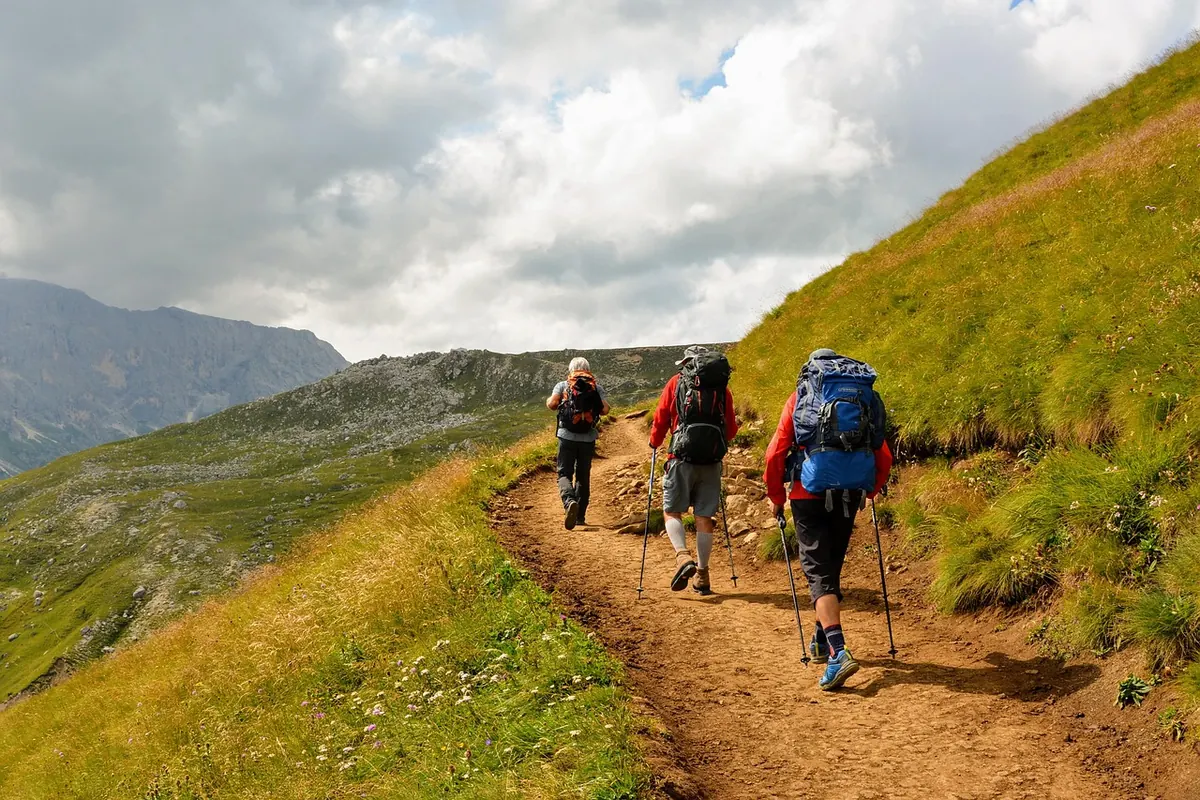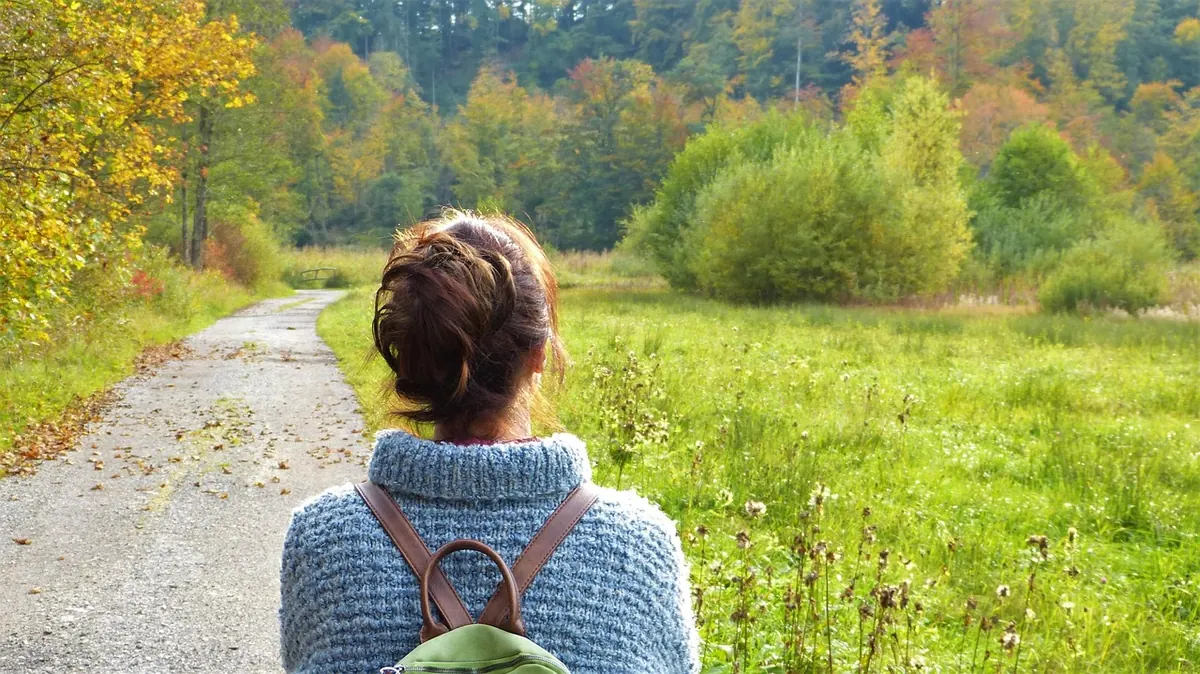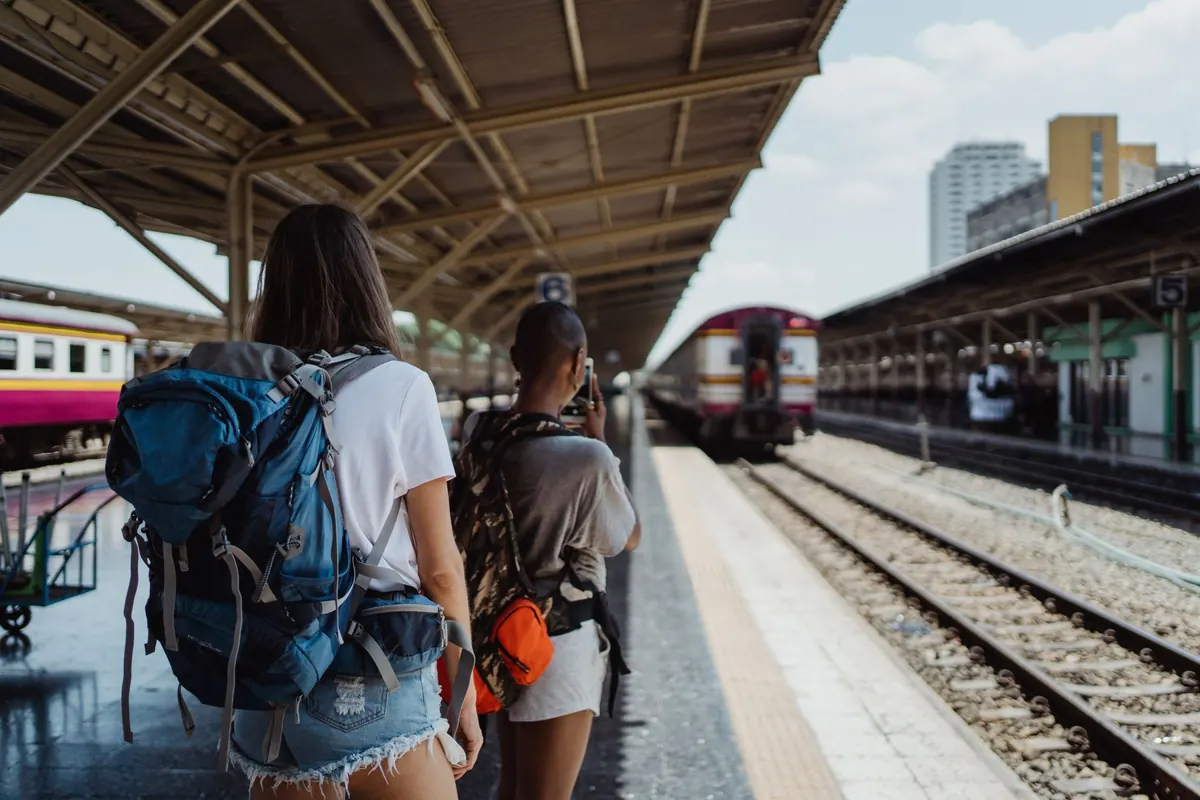
Two paths, one impulse: to leave home with a pack and arrive somewhere that matters. The Camino de Santiago ends at the cathedral in Santiago de Compostela; the Via Francigena ends at St Peter’s in Rome. Both are old routes with centuries of footsteps behind them. Both reward patience. But they ask different things of your time, your body and your appetite for company. The right choice is less about which route is better and more about which one fits the pilgrim you are this year.
It helps to think of them not as rivals but as two different invitations. The Camino is a pilgrimage with a well-known script and a broad cast of walkers. The Via is a longer, quieter crossing of Europe, with more room for solitude and a little more room for uncertainty. Neither is more authentic. What matters is matching the route to the season of life you are in.
The Camino has a clear, shared finish. You walk into Santiago, collect your Compostela if you qualify, and perhaps see the botafumeiro swing in the cathedral. The rituals are well known and deeply felt: the pilgrim office, the square in front of the cathedral, the hugs, the tears, the queue for a café con leche. Many walkers add the short extension to Finisterre or Muxía, turning the pilgrimage into a slower decompression by the Atlantic.
The Via Francigena finishes in Rome, at St Peter’s, with a Testimonium for those who have completed the final stretch on foot. That ending feels different: a great city rather than a compact pilgrim town, a continental journey rather than a single-country one. You arrive through Lazio’s suburbs, cross the Tiber and step into the basilica with the noise of Rome around you. It is less a soft landing than a final, vivid immersion.
If you want a defined pilgrimage with a strong communal finale, the Camino is the easier fit. If you want to cross Europe slowly—Canterbury, Champagne, the Great St Bernard Pass, Tuscany, Lazio—the Via offers a longer, more layered story.
The Camino Francés is roughly 780 km from Saint-Jean-Pied-de-Port to Santiago. Most walkers take 30 to 35 days, though many start in Pamplona, Burgos or León, or walk only the final 100 km needed for the Compostela. Daily stages often fall between 20 and 25 km, with villages, cafés and albergues at regular intervals. A typical day might run from Roncesvalles to Zubiri, or from Burgos across the long, flat meseta, or from Sarria to Portomarín on the busy final approach.
The Via Francigena is a different scale: about 1,900 km from Canterbury to Rome, or around 1,000 km from the Great St Bernard Pass. A full through-walk can take two to three months. Many people walk it in sections—Aosta to Pavia, Lucca to Siena, Siena to Rome—because work and family rarely allow otherwise. If you have four to six weeks and want a complete arc, the Camino is the natural choice. If you have two weeks, a Via section can be just as satisfying.
Daily rhythm differs too. On the Camino, you wake early, walk, stop for coffee, arrive by early afternoon, wash clothes and eat with other pilgrims. On the Via, the day may include longer stretches between bars, more planning for water and food, and fewer fellow walkers to follow. Both reward early starts, but the Camino is more forgiving if you improvise.
The Camino Francés is not easy, but it is forgiving. The first day over the Pyrenees is a real test; the meseta brings long, flat stretches and heat; Galicia offers rolling green hills. The path is generally well graded and signposted, and you rarely carry more than a day’s food. Scenery shifts from mountain passes to vineyards, wheat fields, oak woods and wet Atlantic hills. If you are new to long-distance walking, the Camino gives you time to grow into it.
The Via asks more of you over its full length. The Alps are serious walking, the Po Valley can feel monotonous, the Apennines and Tuscan hills are relentless in summer, and some stages include road walking or long gaps between services. Signage has improved, but you still need to pay attention, especially in France and on minor roads. In return, the scenery is more varied: alpine passes, rice fields, hill towns, olive groves, and the approach to Rome across Lazio. If you want a well-worn groove, choose the Camino. If you want variety and a bit more self-reliance, the Via delivers.
The Camino’s greatest practical advantage is density. Municipal albergues, parish houses and private hostels appear every few kilometres on the Francés. You can often decide at lunchtime where to sleep, though busy stretches—especially after Sarria—reward booking ahead. The Via Francigena has good accommodation too, but it is thinner and more mixed: ostelli, B&Bs, parish rooms, agriturismi. Some stages have few beds, and weekend or summer bookings are wise.
Food works the same way. On the Camino, pilgrim menus and supermarkets are easy to find; on the Via, you may need to plan around midday closures or carry supplies for a longer day. On both routes, keep your credential with you and check that each night’s stamp is dated and legible; it is your proof for the Compostela or Testimonium. On the Via, some parishes and ostelli are run by volunteers with limited hours, so a phone call or email ahead can save a long evening. On the Camino, luggage transfer and bus links make it easy to shorten a day if your body complains; on the Via, those options exist but are less woven into the pilgrim economy.
The Camino is social by design. Albergues encourage shared dinners, and the same faces reappear for days. You might walk alone in the morning and eat with a table of strangers at night. On busy sections, especially the last 100 km from Sarria, the route can feel like a procession. That can be energising if you want community and a sense of shared purpose; it can feel crowded if you crave silence.
The Via Francigena is quieter. Outside the most popular Italian stretches, you may meet only a handful of pilgrims in a day. The company is often local: a priest who stamps your credential, a bar owner who asks where you started, a fellow walker who becomes a friend over a long stage. Solitude is easier to find, but so is loneliness if you expected the Camino’s atmosphere. Language matters too: Spanish and English dominate the Camino; on the Via, Italian and French are useful, though goodwill and gestures go a long way.
The Camino gives you company; the Via gives you space. Choose the one you need this year.
Budget is part of the decision. The Camino can be cheap because the infrastructure is built for pilgrims. The Via is not expensive by European travel standards, but it is usually less cheap because beds are spread across B&Bs, guesthouses and small hotels.
Comfort expectations differ too. The Camino normalises dormitory life, communal kitchens and early lights-out. The Via offers more private rooms but also more variation: a convent one night, a farm stay the next. If you want simplicity and low costs, the Camino is easier. If you want a bit more comfort and are willing to plan, the Via can be gentler on sleep and harder on logistics.
Choose the Camino if you want a complete, well-supported pilgrimage in four to six weeks, a strong communal finish, and the freedom to decide your day as you walk. Choose the Via Francigena if you want a longer European crossing, are happy to walk in sections, value quiet and variety, and do not mind carrying a little more uncertainty. Neither route is the “real” pilgrimage. The real one is the one you can prepare for, afford and finish with gratitude.
Photo: willea26 / Pixabay