Three countries, one loop, three different sets of rules. You can drink wine in a Tbilisi courtyard, eat khinkali in Yerevan and walk Baku's seafront within a single week — but the paperwork resets at every border. Passport validity that satisfies one official may not satisfy the next, a card that works in one capital can fail in the next town, and the cash in your wallet changes name three times. None of it is difficult. It just needs sorting before you fly, not at the checkpoint.
Here is the order of operations that keeps the trip smooth, and what to double-check for each country.
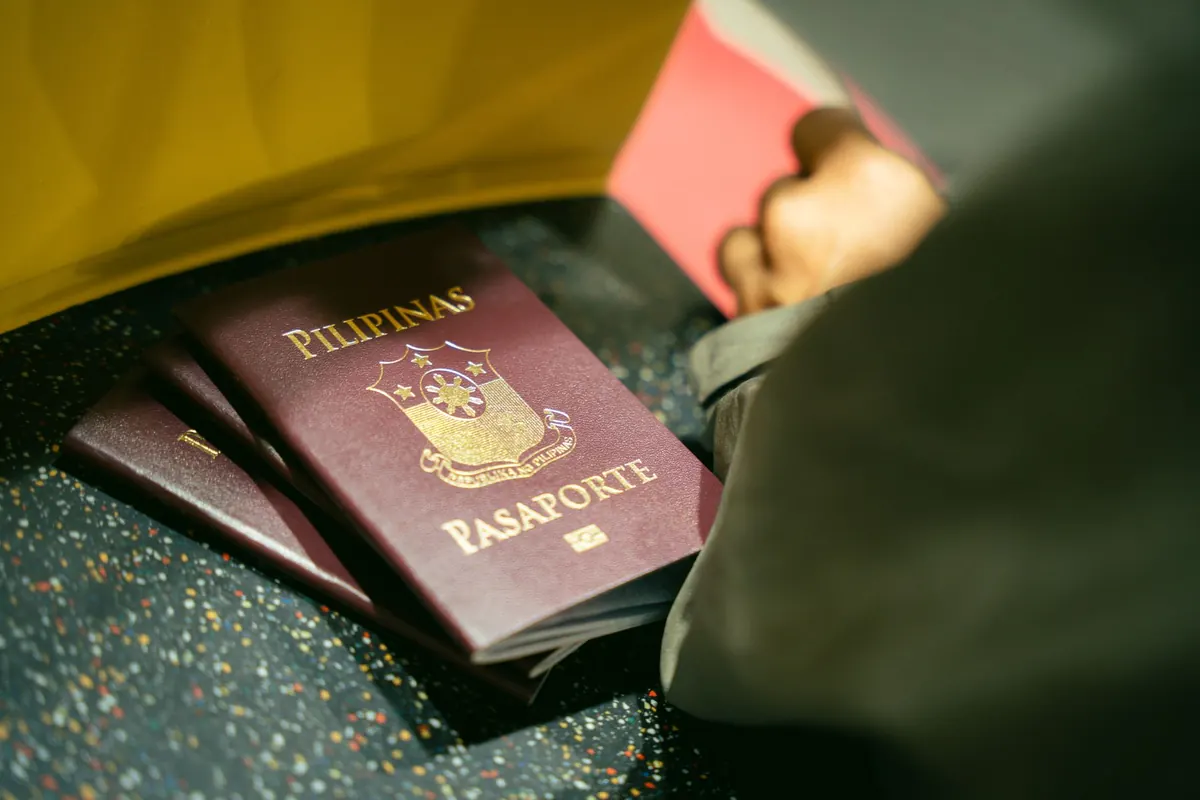
Before you compare ticket prices, check the boring part: your passport should be valid for at least six months beyond your planned return and have a couple of blank pages left. Some travelers get away with less; some don't, and the argument happens at a land border where you have no leverage.
Two habits worth adopting. First, use official government or embassy sources and the countries' own e-visa portals for visa rules — not a random blog post from three years ago, and not a paid "visa assistance" site charging a markup for a form you can fill in yourself. Rules in this region change with political weather. Second, print your hotel bookings, insurance policy and return ticket, and keep digital copies in your phone and in cloud storage. Border guards rarely ask, but when they do, a paper copy ends the conversation quickly.
Nothing here is exotic enough to panic about, but the region rewards a bit of preparation. Book a travel clinic appointment four to six weeks before departure so vaccines have time to work. Bring your routine vaccinations up to date, and discuss hepatitis A and B, typhoid, and rabies with the clinician — rabies matters if you'll be hiking, cycling or around stray dogs in villages. There is no yellow fever risk, and malaria is not a concern in the main tourist areas, though limited risk exists in some lowland parts of Azerbaijan. Let a professional tell you what fits your itinerary.
Tap water is not something to gamble with. In cities many travelers drink it, but bottled or filtered water is the safer default, especially outside the capitals, and it's cheap everywhere.
Buy travel insurance that includes medical evacuation, not just lost luggage. Carry prescription medicine in its original packaging with a copy of your prescription, and check whether any of your medication is controlled in these countries before you pack it. And keep a small kit: rehydration salts, painkillers, plasters, and something for stomach trouble. Pharmacies are good in all three capitals, less so in mountain villages.
You'll use three currencies: the Georgian lari, the Armenian dram and the Azerbaijani manat. All three are best obtained locally, and none is especially easy to change once you've left the region — so spend down or exchange what's left before your flight home.
Practical habits that save real money:
The key routing fact: Armenia and Azerbaijan have no open border with each other, so overland travel between them runs through Georgia. The Tbilisi–Yerevan road via Sadakhlo and Bagratashen is well trodden, and the Georgian–Azerbaijani crossing at Red Bridge is the usual land route between those two. Flying is often the simplest option for Baku.
Border days deserve slack in the schedule. Don't book a non-refundable evening flight on a day you're crossing by road, and keep small notes for taxis, toilets and the occasional unexpected fee. If you take a shared taxi or minibus across, agree the fare and the destination — city, not just country — before the doors close.
Do that, and the trip becomes what it should be: long lunches, mountain roads, and the small satisfaction of crossing a border without a single hold-up. For visa rules, health advice and currency regulations, always confirm with official sources or a qualified professional close to your departure date — the details above are a starting framework, not a substitute for checking.
Photo: Kenneth Surillo / Pexels