Ask five walkers who have finished the Via Francigena when to go and you will get five answers, each delivered with conviction. The pilgrim road from Canterbury to Rome runs roughly two thousand kilometres, and the Italian stretch alone — from the Gran San Bernardo Pass down through Aosta, Pavia and the Po Valley, over the Apennines, through Tuscany and Lazio to St Peter's — crosses enough climate to make "best time" a genuinely local question. A perfect week in the Valle d'Aosta is not the same week as a perfect one between Lucca and Siena. What follows is how each season actually behaves on the ground, and which festivals are worth planning around.
Spring arrives unevenly along the road. In the Aosta Valley, March and April still mean snow above the villages, and the Gran San Bernardo pass usually stays closed to walkers until late spring — which is why plenty of people begin their Italian journey in Aosta itself rather than at the pass. Further south, the Po Valley is grey, damp and flat in early spring, with morning fog around Pavia and Piacenza and a lot of standing water in the fields.
By May the whole route has changed character. Hedges are in flower, the cypresses are lit up, and the sun is warm rather than punishing. The catch is mud. Tuscany's strade bianche and the clay tracks near San Miniato and Radicofani hold water for days after rain, and a stretch that takes three easy hours in June can turn into a slippery five in April. Bring shoes with real tread, and accept that some days will run slower than the guidebook suggests.
Accommodation is a moving target in spring. Many parish hostels and ostelli reopen around Easter, but not all of them, and some agriturismi only open at weekends until May. Check opening dates directly for the exact stretch you plan to walk, especially south of Siena, where the gaps between beds are longer than they look on a map.
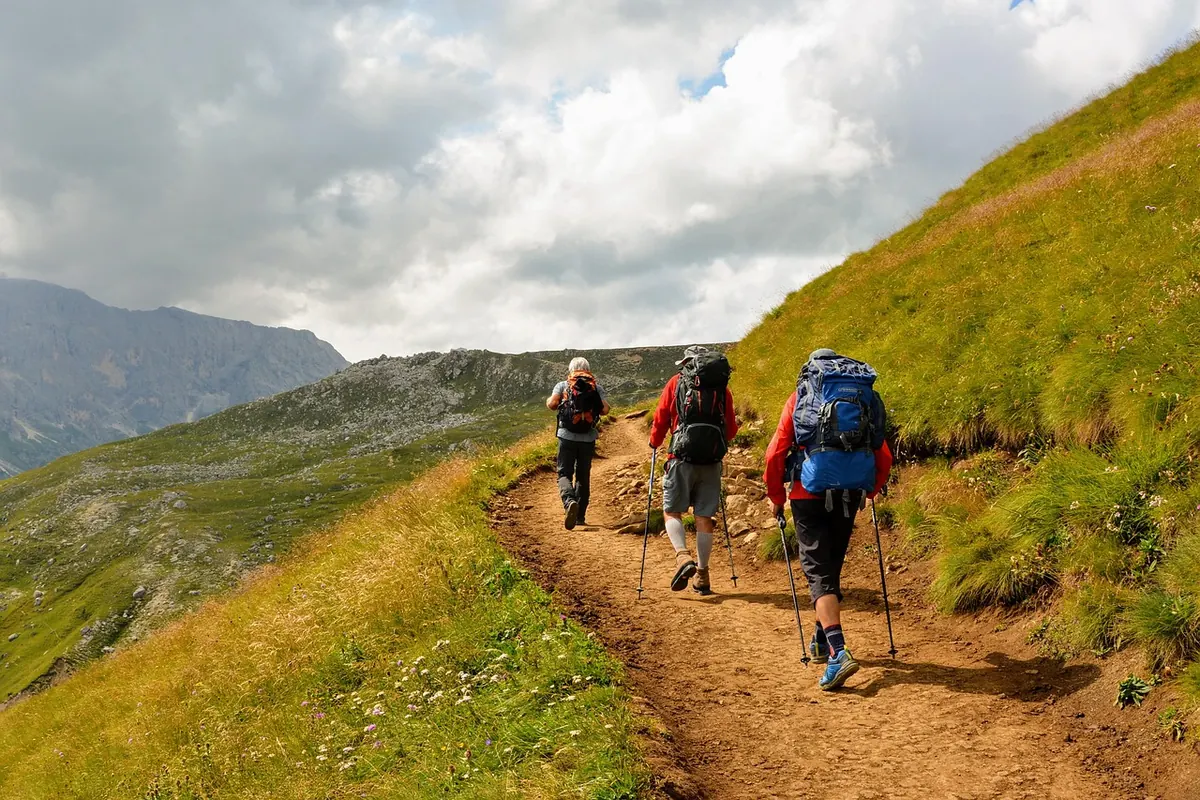
June, July and August are the months most people picture, and they are workable — with discipline. The Po Valley is humid in a way that surprises walkers used to dry heat, and the open Tuscan ridges between San Quirico d'Orcia and Radicofani offer very little shade from mid-morning onwards.
The rhythm that works is simple: on the road by half past five or six, walk four or five hours, then stop for the afternoon and walk again in the evening if you need the kilometres. Refill bottles at village fountains marked acqua potabile, and do not assume a bar will be open at midday in a hamlet of forty people. Afternoon thunderstorms are a real feature of the Alps and the Apennines in July and August; being off an exposed ridge by early afternoon is plain good sense. If you have a condition that heat affects, talk to a doctor before committing to a July crossing of the Po Valley.
August has its own complication: Italy goes on holiday. Around Ferragosto on 15 August, coastal and rural accommodation fills, some family-run places shut entirely, and the path carries noticeably more Italian walkers, many in groups. Book further ahead than you would in June.
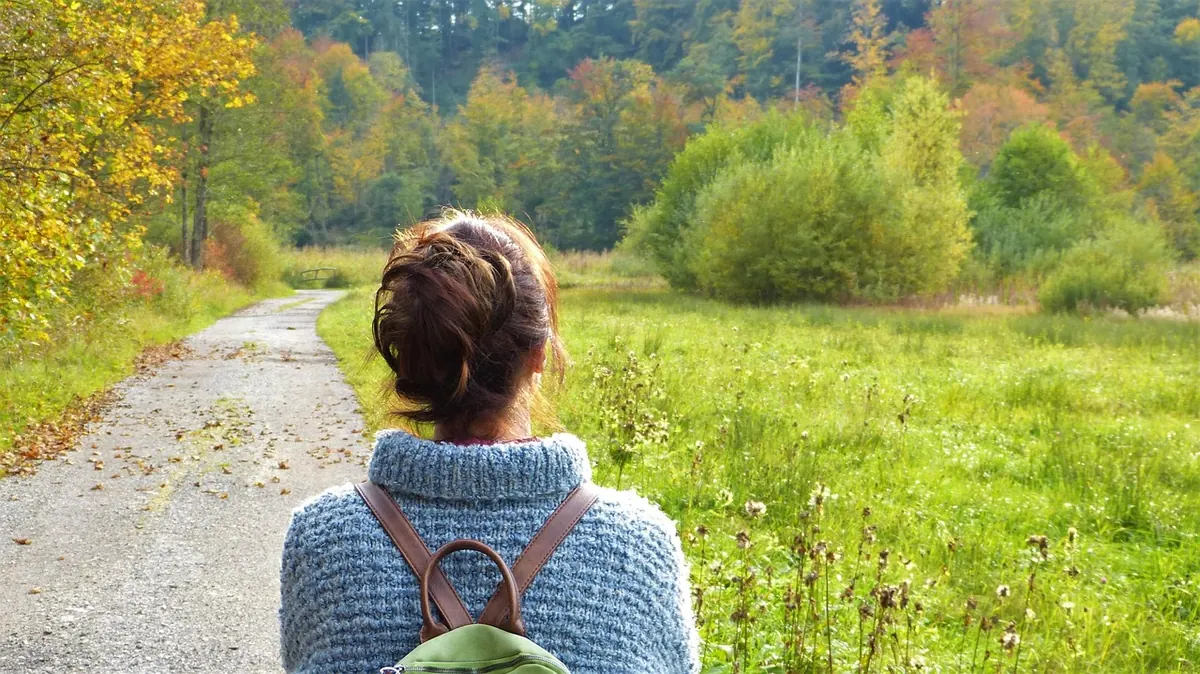
September and early October suit most people best. Days are warm but no longer fierce, mornings are cool, the tracks dry out, and the countryside is in the middle of grape harvest and olive picking. Villages that felt deserted in July have their sagre back, and the light on the Crete Senesi is at its best.
The second half of October changes the calculation. Rain returns, sometimes heavily, and daylight shrinks fast — by late October you have roughly ten usable hours of light, so plan twenty kilometres rather than thirty. Some ostelli close at the end of October, and from November to March you are relying on B&Bs, small hotels and the goodwill of individual parishes rather than a reliable network of pilgrim beds.
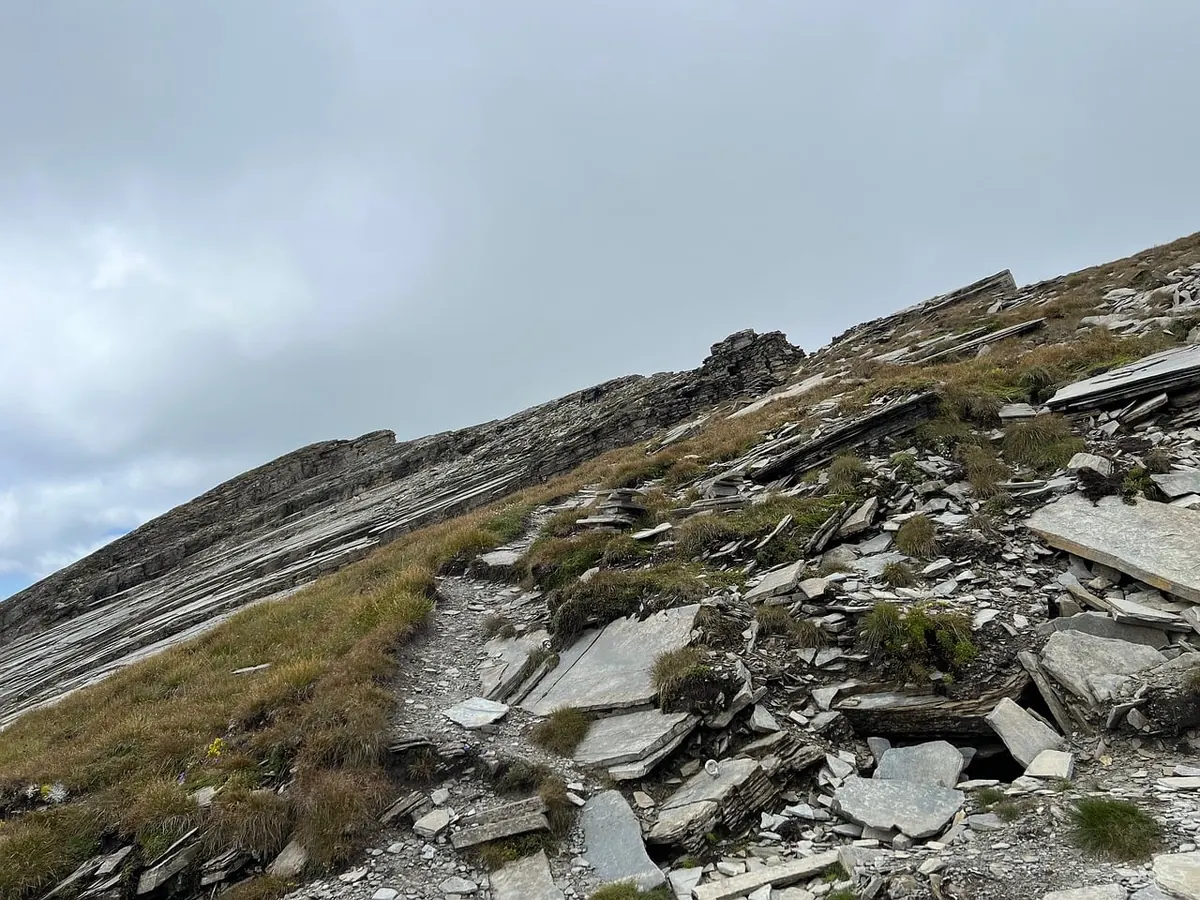
Winter walking on the Via Francigena is for people who like empty roads and do not mind solving logistics. The Alpine section is effectively out. The Apennine passes, including the Cisa and the Raticosa, can be icy or snowbound, and the Po Valley floods and mud in a way that makes long stages miserable. Where winter does work is the southern half: the Lazio lowlands between Viterbo and Rome can be mild, green and almost entirely yours.
Expect short days — around nine hours of light in December — a headtorch in your pack as standard, and far fewer places to sleep. Plan stages around towns with year-round hotels rather than around the pilgrim network, and book ahead even in low season, because the one open option in a village may be full. Christmas and New Year in Rome bring crowds and higher prices.
Italian festivals are not background colour on this route; they determine whether you sleep indoors. These are the ones worth checking before you fix dates:
Look up local pro loco websites for the towns where you intend to stop, not just the regional tourist board. A festival that is a joy to stumble into is a different experience when you arrive at seven in the evening with no bed and no dinner reservation.
Rather than pick a month in the abstract, work backwards from your own constraints.
For most first-time walkers, mid-September to mid-October offers the best balance of weather, open beds and atmosphere, with May a close second. But the honest answer to "when should I walk the Via Francigena?" is that every season gives you a different road. Choose the one whose difficulties you are willing to manage, and the rest tends to look after itself.
Photo: cermanni / Pixabay